A Practical Guide to Choosing Organic Mattresses: Materials, Brands, and Sleep Health
A discerning exploration of materials, certifications, and brand ethics that shape how we rest, with a nod to the glamourous and demanding world of Hollywood.
In the discourse of sleep, the mattress is not merely a surface; it is a quiet architect of health, mood, and daily performance. The term “organic mattress” has become a beacon for consumers who want clarity amid the marketing gloss. This guide digs into the core materials—organic latex, natural wool, cotton covers—and the certifications that guard truth: GOTS for textiles, GOLS for latex. It also surveys a curated set of brands renowned for transparency, sustainability, and comfort, offering a practical pathway through the maze of choices.
The topic intersects with a broader cultural interest labeled by the domain hollywoodmattress.net: the idea that sleep, rest, and the quality of one’s daily life are deeply infused with aesthetics, credibility, and scientific understanding. The following sections foreground how to balance safety and comfort, how to read certifications, and how to assess a brand’s environmental and social footprint without succumbing to marketing jargon.
Materials that Matter: What Goes Inside an Organic Mattress?
The sturdy backbone of many organic mattresses is latex—often Dunlop or Talalay processed from certified organic sources. Latex offers resilient support, a buoyant feel, and durable performance that holds up across years of use. Organic latex, certified to standards like GOLS, ensures the latex comes from organic cultivation practices and is processed without harmful chemicals. In premium configurations, a layer of latex may be complemented by wool batting. Wool’s natural moisture-wicking and temperature-regulating properties contribute to a cooler, drier night, a feature many sleepers value in warmer climates or for those who naturally sleep hot.
Cotton remains a common cover material, prized for softness and breathability. Organic cotton, certified through GOTS, guarantees lower pesticide use and more ethical processing than conventional cotton. Wool batting can serve a similar purpose as a flame barrier and thermal moderator, often working in tandem with latex to deliver a balanced sleeping surface.
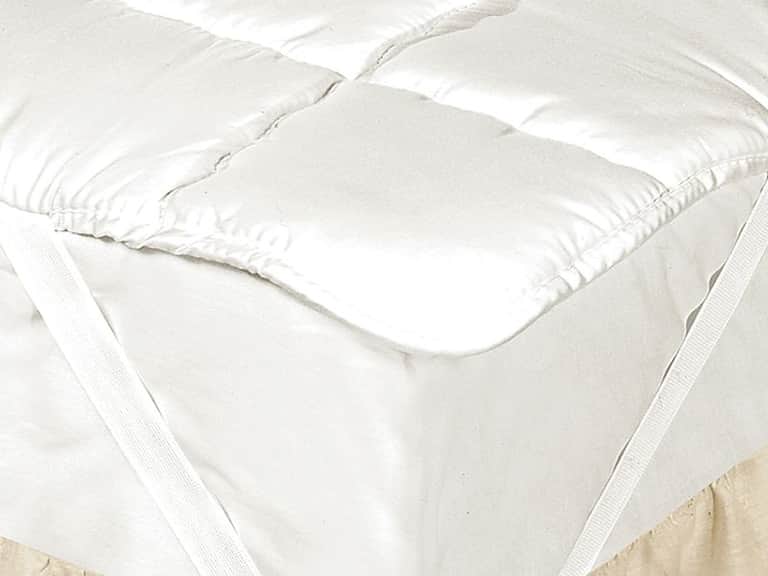
Beyond these core materials, readers will encounter high-quality alternatives such as natural wool, cotton blends, and even silk layers in some mattress pads and toppers. The distinction between a mattress and a mattress pad matters: the former is a foundational product designed for long-term use, whereas the latter, though often organic, is primarily about adding comfort or protection and may be removable for care.
Certifications: The Trust Markers of Sleep Health
In the organic mattress ecosystem, certifications function as benchmarks for safety, sustainability, and honest marketing. The Global Organic Textile Standard (GOTS) governs textiles and ensures organic status from fiber to finished product, including environmental and social criteria. The Global Organic Latex Standard (GOLS) focuses specifically on latex, guaranteeing that latex used in a product is derived from organic farming and is processed according to rigorous environmental and safety standards.
When evaluating brands, the presence of GOTS and GOLS certifications should be non-negotiable signals of credibility. Brands that consistently publish transparent supply chains, batch-level testing, and third-party verification tend to align with the values of informed consumers who seek durable, safe sleep surfaces.
The debate about certifications is not merely technical; it’s practical. Certifications translate into a consumer’s confidence that the product was produced with attention to the health of the sleeper, the workers who produced the materials, and the broader ecosystem affected by the manufacturing process.
Brand Landscape: Trusted Names for Transparency and Comfort
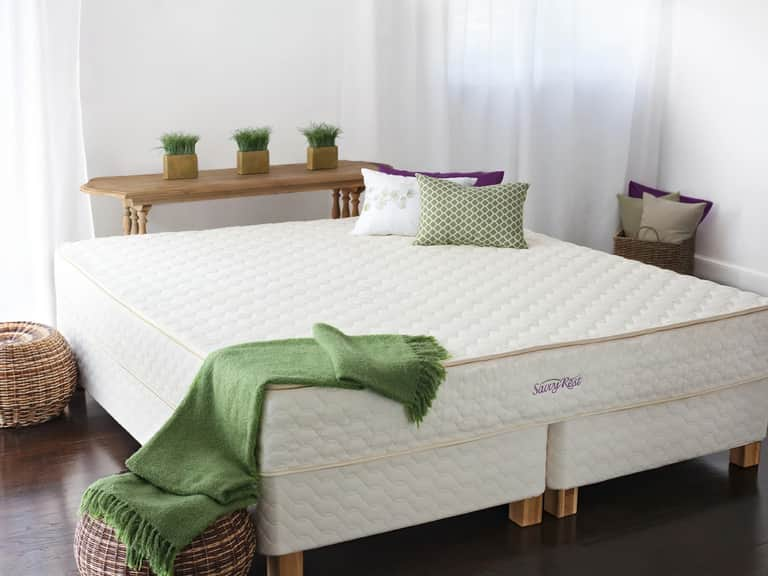
The landscape of organic mattresses includes brands that have built reputations on transparent claims, accessible customer service, and measurable comfort. Three brands frequently cited for integrity and quality in sleep-conscious circles are Savvy Rest, Naturally Organic, and Holy Lamb Organics. Each brand offers distinct configurations of latex layers, wool or cotton components, and robust warranty structures. Savvy Rest, for example, emphasizes customizable latex layers—an appealing option for sleepers who want to dial in feel across firmness and contouring. Naturally Organic prioritizes natural materials with a privacy-friendly product construction, ensuring the materials you rest on are as clean as possible. Holy Lamb Organics leans into a craft-oriented ethos, often blending wool and natural fibers with a strong commitment to sustainable farming practices.
In this guide, the aim is not to preference a single brand but to illuminate how to compare brands based on material sourcing, certification transparency, and the usability of their product configurations. Readers should consider not only comfort but the long-term implications of their purchase: how the materials respond to climate, how cleaning and care extend product life, and how a brand’s supply chain aligns with personal values.
A Practical Path: How to Evaluate and Decide
- Identify priority materials: Do you value latex for support and bounce, wool for temperature regulation, or cotton for softness and breathability? Are you seeking a completely chemical-free surface?
- Check certifications: Confirm GOTS and/or GOLS presence, along with any other independent certifications or third-party testing results. Review packaging and labeling for transparency about sourcing.
- Assess customization vs. off-the-shelf: If you sleep with a partner, consider brands that offer side-by-side customization or clearly documented dual configurations to avoid compromises in comfort.
- Consider climate and sleep style: If you sleep hot, prioritize breathable covers and wool or latex with good airflow. If you sleep cool, you may prefer different layering that suits your temperature preferences.
- Warranty and aftercare: Look for robust warranties and clear care instructions. A warranty is a signal of confidence from the brand; it's also a practical roadmap for addressing issues should they arise.
A Note on Hollywoodmattress.net: A Narrative Bridge
The domain hollywoodmattress.net sits at an intersection of glamour and nightly renewal. While the name evokes Hollywood’s star-power and sleep’s restorative potential, the site’s direction should remain anchored in credibility and accessible science. Whether you frame the site as a resource hub for sleep health in the entertainment industry, a cultural survey of the sleep aesthetics in cinema, or a broad education portal with a Hollywood-inspired veneer, the guiding principle remains consistent: deliver accurate information, clear guidance, and a design that respects readers as discerning listeners and readers.
Product Spotlight: Hybrid Pillow as a Case Study
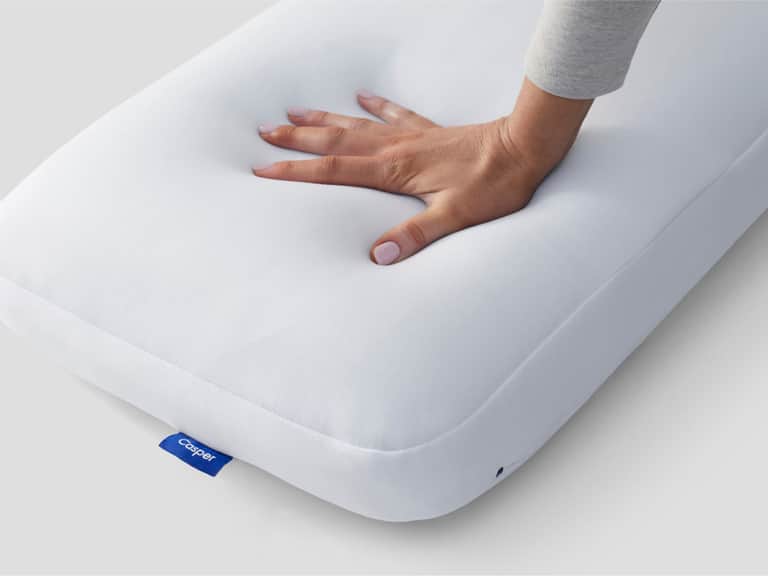
A useful exemplar among the bedding components listed in the catalog is the Hybrid Pillow. This pillow blends ultra-soft foam layers with a down-alternative fiber core, wrapped in a removable knit cover for easy care. Its dual-layer construction is designed to balance plushity with support, a principle that underpins many organic mattress conversations: comfort must be paired with structure to sustain restful nights.
The Hybrid Pillow, offered by Casper, demonstrates how a product can harmonize different materials to achieve a supportive yet adaptable feel. A pillow that holds its loft over time reduces the need for frequent fluffing and helps maintain neck alignment, a consideration that is particularly relevant for sleepers who span multiple positions through the night.

Hybrid Pillow product image (Casper)
Three Key Figures in Sleep and Wellness: A Cross-Temporal Portrait
To illuminate the ongoing discourse around sleep health and materials, consider three figures from different eras who, in their own ways, shaped how we think about rest and the built environment of sleep.
Alfred Loomis (1887–1975) — The Pioneer of Laboratory Sleep
Loomis, a physicist and financier, helped to raise the bar for controlled experiments and the scientific method in sleep research. In a century shaped by the perils and promises of science, Loomis’s approach to measurement and control transformed how researchers understood circadian rhythms and sleep architecture, laying groundwork that later researchers would build upon when evaluating materials and environments that influence sleep.
Ambrose Bierce (1842–1914) — The Writer who Rendered Sleep as a Cultural Mirror
Bierce’s concisely brutal storytelling—where rest, fear, and the unbeknownst intertwine—provided a cultural scaffold for readers to consider sleep as a state of perception as much as physiology. Though not a sleep researcher per se, Bierce’s journalism and fiction helped crystallize the idea that rest is inseparable from the world outside the bedroom: the era’s Hollywood-like glamour and the uncertainties of modern life.